
Container haulage article
SOC vs COC containers: who owns the box matters
Discover how owning SOC versus COC containers impacts costs and risk. Make informed decisions for your shipping needs today!
The difference between SOC and COC comes down to one question: who owns the container and who carries the equipment risk? With a shipper‑owned container (SOC), you own or lease the box and answer for its condition, repositioning and eventual disposal. With a carrier‑owned container (COC), the shipping line supplies, maintains and repositions it, bundled into your freight rate.
That single fact drives everything else, from your cost lines to your exposure on demurrage and detention.
- Choose SOC for high‑volume backhauls, imbalanced trade lanes, or long‑dwell and remote destinations.
- Choose COC for routine port‑to‑port FCL moves where short dwell times and reliable depot access make managed equipment the easier option.
Key Takeaways
SOC shifts ownership, repositioning and end‑of‑life responsibility to the shipper, while COC bundles all of that into the carrier’s managed service and freight rate.
| Point | Details |
|---|---|
| Ownership drives everything | Whoever owns the box carries certification, repair and disposal liability, not just the purchase cost. |
| SOC suits imbalanced lanes | Long dwell, remote ports and one‑way moves favour SOC over fighting carrier repositioning constraints. |
| COC suits routine FCL | Short dwell times and reliable depot access make managed carrier equipment the simpler default. |
| Costs go beyond rental | SOC doesn’t remove terminal storage, inspection fees or drayage delays, only who pays the per‑diem. |
| Check acceptance first | Not all carriers accept SOC equally, and some apply surcharges or specific booking conditions. |
| Pilot before scaling | Test SOC on one high‑volume lane with a maintenance partner before committing capital network‑wide. |
Table of Contents
- What is a shipper-owned container (SOC)?
- What is a carrier-owned container (COC)?
- SOC vs COC: a side-by-side comparison
- Pros, cons and real-world use cases
- How do costs and lead times differ between SOC and COC?
- What operational risks come with owning SOC containers?
- Where can you buy or lease SOC containers?
- Is SOC or COC right for your operation?
- Perspective: what switching between SOC and COC actually feels like
- Sources
- FAQ
What is a shipper-owned container (SOC)?
An SOC is any container that sits outside a carrier’s owned or leased fleet, typically classed as SOC by the shipping line the moment it doesn’t belong to that carrier’s pool. The shipper, an NVOCC, or a beneficial cargo owner (BCO) holds title and takes on the responsibilities the carrier would normally carry.
You’ll see SOC most often on:
- Long‑dwell project cargo, where equipment sits at destination for weeks or months.
- Shipments to remote islands or under‑served ports with thin container supply.
- One‑way moves where sending an empty box back isn’t worth the cost.
- Customised units: tank containers, flat racks, or units modified for specific cargo.
Before you book an SOC move, check three things: the BIC‑registered four‑letter prefix has been updated to reflect the new owner, the CSC Safety Approval Plate responsibility has formally transferred, and the bill of lading correctly notes SOC status. Miss any of these and you risk misclassification at the terminal.
What is a carrier-owned container (COC)?
A COC is a container owned, operated, or leased by the shipping line itself, and it remains the default arrangement for most global freight. The carrier supplies the box, tracks its condition, arranges repositioning once it’s empty, and folds all of that into the freight rate you pay.

COC makes sense as the default when dwell times stay short, depot access at both ends is reliable, and you’re moving cargo on a routine FCL lane with predictable volumes. You don’t manage an asset. You don’t chase repairs. You don’t plan repositioning.
The trade‑off is control. Container rental sits inside your freight cost, empty‑return obligations belong to the carrier, and so does maintenance liability, but so does the decision on whether equipment turns up on time.
SOC vs COC: a side-by-side comparison
Here’s how the two models stack up across the dimensions that actually affect your operation.
| Dimension | SOC | COC |
|---|---|---|
| Ownership & legal responsibility | Shipper, NVOCC or BCO holds title and liability | Carrier holds title and liability |
| Repositioning | Owner arranges and pays | Carrier arranges and pays |
| Repairs & maintenance | Owner’s responsibility, including CSC compliance | Carrier’s responsibility |
| Typical cost lines | Purchase or lease, inspection, certification, one‑way fees | Bundled hire in freight rate, demurrage/detention |
| Best for | Imbalanced lanes, remote ports, long dwell, project cargo | Routine FCL lanes, short dwell, reliable depots |
| Compliance & end‑of‑life risk | Owner manages CSC plate renewal, disposal or resale | Carrier manages full lifecycle |
| Availability on imbalanced lanes | Strong, since it bypasses carrier repositioning constraints | Often weaker, subject to carrier equipment allocation |
SOC favours control; COC favours managed simplicity. Not every carrier accepts SOC on equal terms, either, and some apply surcharges or specific booking conditions, so confirm acceptance before you commit a lane to the model. Cross‑check IICL condition standards and BIC registry data before finalising either arrangement.
Pros, cons and real-world use cases
SOC gives you availability on lanes where carrier equipment runs short, plus the freedom to customise or hold the box after delivery. Shippers can sell it, use it for storage, or re‑export it rather than rushing it back empty. The cost is capital outlay, certification upkeep, and the burden of deciding what happens to the unit at end of life.
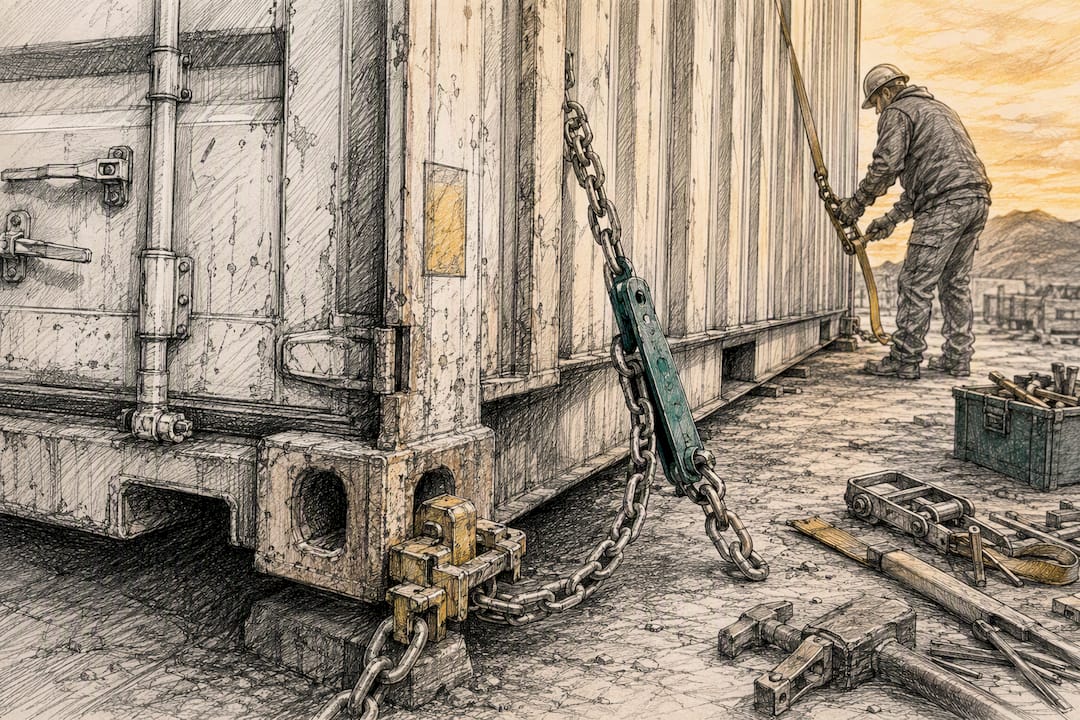
COC removes the asset headache entirely. You get a managed service with no purchase decision to make and no depot network to build. The risk sits elsewhere: detention and per‑diem charges can climb fast if you hold carrier equipment too long, and during peak season, equipment shortages can leave you without boxes at all.
Three scenarios make the choice concrete:
- Remote project cargo: a six‑month infrastructure job on a Pacific island with no reliable empty return. SOC wins because you’re not fighting the carrier’s repositioning schedule.
- High‑volume backhaul lane: consistent exports from a market with weak import demand. SOC amortised across dozens of trips often beats repeated COC hire.
- Ad hoc seasonal peak: a one‑off spike in December volumes. COC wins, since the flexibility of carrier‑managed stock outweighs the hassle of buying equipment you’ll only use once.
How do costs and lead times differ between SOC and COC?
Purchase price, lease rates, inspection fees, annual CSC certification, repairs, terminal storage, demurrage, detention, chassis fees and drayage all sit somewhere in the cost frame, and where they sit depends entirely on which model you’re running.
SOC shifts the container rental line out of your freight rate and into a capital or lease cost, but it doesn’t remove terminal storage charges, inspection fees, drayage waiting time or chassis fees. It only changes who pays the equipment per diem and who owns the empty‑return obligation. Free time windows, inspection delays and depot return deadlines still apply, just against your account rather than the carrier’s.
Pro Tip: Run the maths on a per‑trip basis before you commit. A container amortised across 40 high‑volume trips can undercut COC hire significantly, but the same purchase used for four trips a year rarely pays back.
One worked comparison shows purchase amortisation beating per‑trip hire on repeat high‑volume lanes, provided inspection and certification costs are built into the model from day one, not bolted on afterwards.
What operational risks come with owning SOC containers?
Owning equipment means owning the paperwork trail behind it. Run through this before you scale an SOC fleet:
- Confirm CSC plate validity and renewal dates for every unit.
- Verify BIC markings and prefix registration match the current owner.
- Set a repair and inspection schedule, ideally against IICL condition standards.
- Plan depot placement and repositioning routes before the container moves, not after.
- Confirm insurance covers the box for the full transit and dwell period.
- Build customs and terminal inspection readiness into your paperwork.
Certification lapses and mismatched BIC records are the most common way SOC units get flagged at foreign terminals, and that flag can hold cargo for days. Inspection, certification and disposal responsibility shifting to the owner is routinely underestimated when teams first cost out an SOC move.
Pro Tip: Stage a single high‑volume lane as a pilot before committing capital across your network, and line up a depot or third‑party asset manager to handle inspection and repair while you learn the operational rhythm.
Where can you buy or lease SOC containers?
You’ve got four practical routes into SOC ownership: new purchase, used purchase, leasing from a specialist container lessor, or buying through a marketplace such as Container xChange, which also handles repositioning and depot logistics for owners who don’t want to build that network themselves.
Before you commit to any supplier, run through a short checklist:
- Confirm the CSC plate is current and correctly registered.
- Check BIC registration matches the seller’s records.
- Arrange an independent structural inspection, not just the seller’s word.
- Agree transport and repositioning terms in writing before the unit ships.
- Have a resale or disposal plan ready before the container arrives.
Leasing suits shorter commitments or lanes you’re still testing; buying suits lanes you’ve already proven over multiple seasons.
Is SOC or COC right for your operation?
Run through these questions before you commit either way:
- What’s your annual container volume on this lane? Below roughly 20 to 30 moves a year, COC’s managed simplicity usually wins on cost.
- What’s your average dwell time? Long dwell (weeks, not days) tilts the answer towards SOC.
- How imbalanced is the lane? Persistent one‑way flow favours SOC, since carrier repositioning becomes unreliable.
- Do you have internal capacity to manage an asset? If not, factor in a depot partner or managed haulage before buying.
- Is capital available for purchase, or does leasing suit your cash flow better?
A staged pilot on one lane, paired with a maintenance partner, is the standard way operators test SOC before scaling it further.
Whichever model you land on, the haulage leg still needs managing, and that’s where a managed transport service or an AI‑assisted transport desk earns its keep. Haulier connects freight forwarders and importers with vetted UK hauliers, gives real‑time visibility on where containers actually are, and takes the admin burden off your desk regardless of whether the box is yours or the carrier’s. If you’re weighing up a switch to SOC on a specific lane, request container haulage through Haulier and let the transport desk handle coordination while you focus on the ownership decision.
Perspective: what switching between SOC and COC actually feels like
Running SOC on even one lane changes your Monday mornings. Suddenly someone owns the CSC plate renewal, someone chases the depot for space, and someone signs off on repairs that never used to land on your desk. COC never asked for any of that. Team capacity is the real constraint, not the container cost. Build a vendor relationship for maintenance and inspection before you buy a single box, because the first inspection failure or surprise terminal fee always lands mid‑shipment, never before.
Sources
Check the BIC code registry for prefix registration, IICL for condition and repair standards, and marketplaces like Container xChange for sourcing. Industry coverage from outlets such as ShipIt and ShipBob also offers useful context on SOC and COC practice. Always verify the CSC plate and BIC registration before a container ships.
- Difference between a shipper owned container and carrier owned container
- COC vs SOC containers in international freight
- What is SOC container +when to use it & why …
- Shipper Owned Container (SOC): What It Is, Types, and …
- Essential Guide for Import and Export Logistics: Choosing Between COC and SOC Containers - Boardor
FAQ
What is the difference between a CoC and a SOC container?
A COC is owned and managed by the shipping carrier, which handles repositioning, maintenance and empty returns. An SOC is owned or leased by the shipper, NVOCC or BCO, who then carries those same responsibilities themselves.
What does SOC stand for in logistics?
SOC stands for shipper‑owned container, meaning the equipment belongs to the shipper or their appointed party rather than to the carrier moving the cargo.
What does CoC mean in logistics?
COC stands for carrier‑owned container. The shipping line owns, leases or operates the box and bundles its cost and management into the freight rate.
What is a SOC tank container?
A SOC tank container is a shipper‑owned tank unit, often customised for liquid or bulk cargo, where the shipper rather than the carrier holds title and manages its certification, cleaning and repositioning.