
Container haulage article
How transport companies keep UK haulage moving
A practical guide to how transport companies handle UK haulage, quotes, coverage, ports, paperwork and subcontract work without added admin.
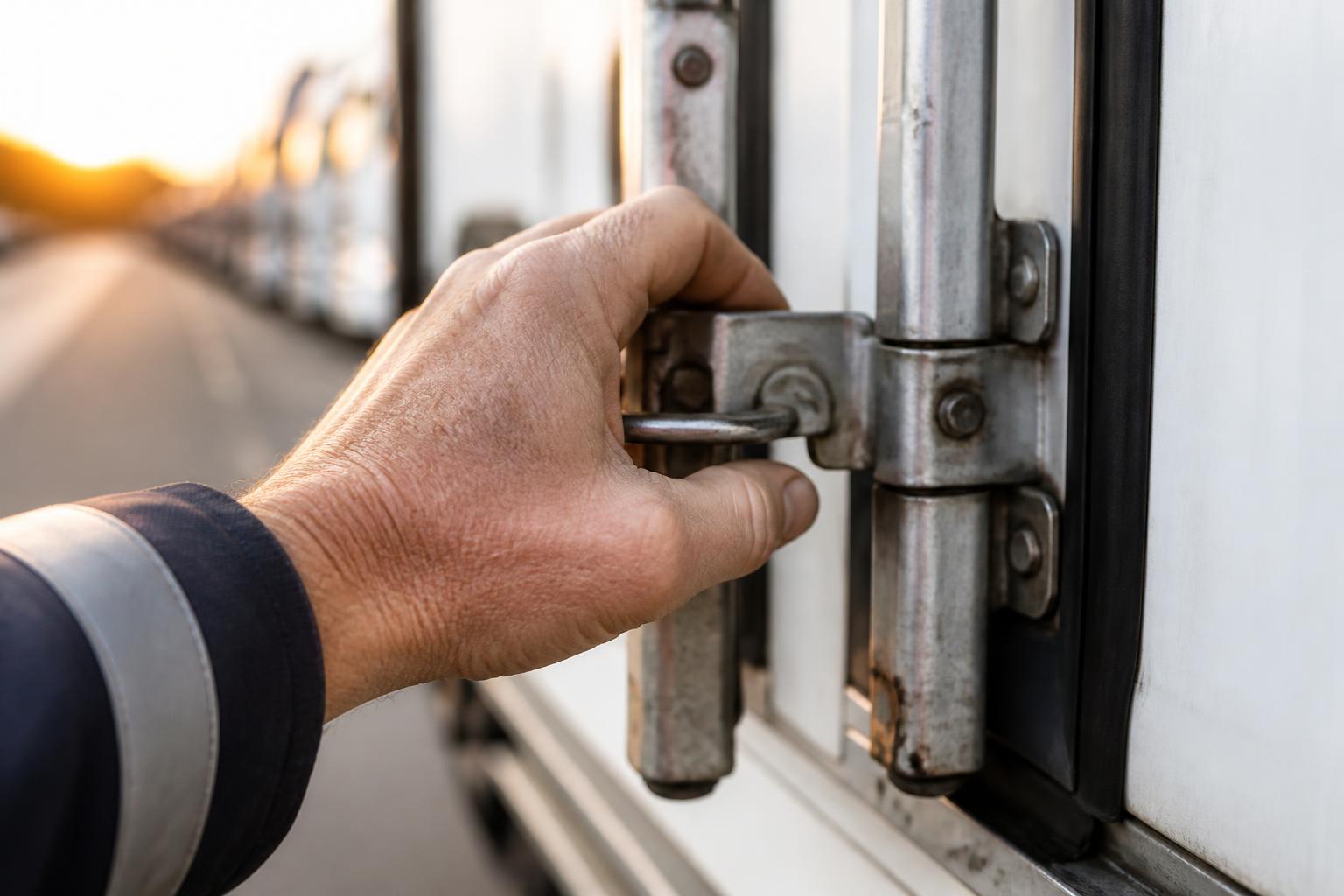
Transport companies keep UK haulage moving by doing a lot more than finding a lorry and a driver. On a normal day they are pricing work, checking site restrictions, matching loads to the right vehicle, covering timed collections, tracking progress, dealing with delays, collecting PODs and sorting the exceptions that stop a job from closing properly. When that process is organised, freight moves with fewer calls, fewer missed assumptions and fewer failed handovers.
For buyers, the difference between a smooth movement and a costly problem is often not the rate on the first email. It is whether the operator understands the lane, the site, the freight, the timing and the likely points of failure. For hauliers, the same applies from the other side. Good subcontract work is not just extra volume. It is work that fits the fleet, pays properly, can be covered reliably and is managed by people who understand UK haulage in practice.
What transport companies actually do day to day
The day to day role of transport companies is operational control. That starts before a vehicle is even allocated.
When a job request comes in, someone has to turn a basic instruction into a movement that can actually be delivered. That means checking the collection and delivery postcodes, whether the load is part-load or full-load, what the goods are, whether they are palletised or loose, whether there is forklift access, whether there are booking slots, whether the site has vehicle limits, and whether there are any special instructions such as driver PPE, reference numbers or restricted arrival times.
Quoting is not just applying a mileage rate. A proper quote considers whether the lane is regular or awkward, whether waiting time is likely, whether the collection is a factory, RDC, farm, construction site or port, and whether the job needs a curtainsider, box, skeletal trailer, flatbed, tail-lift or something more specific. If the instruction is incomplete, the transport desk has to go back and get the missing details before giving a meaningful price.
Once the job is confirmed, allocation begins. That can mean assigning the movement to an in-house vehicle or placing it with a trusted subcontract haulier. Either way, somebody must confirm that the vehicle type, driver hours, location and timing line up. In UK haulage, many failures happen because a job looked simple on paper but did not fit the actual operating day. A 15:30 collection in one county and a 17:00 booking in another may be impossible once loading times and traffic are considered.
Tracking is another daily task that buyers often only notice when it goes wrong. A transport operator needs to know whether the vehicle is on time, whether it has arrived on site, whether loading has started, whether there is queueing, and whether the ETA to delivery still holds. If there is a delay, the useful response is not silence. It is an update with the reason, the revised ETA and any knock-on effect.
Then there is close-out. A haulage job is not finished when the truck leaves site. It is finished when the POD is in, any waiting time or extra charges are agreed, and the paperwork supports invoicing. If a delivery note is unsigned, if a booking reference is missing, or if the wrong trailer attended, the transport desk has to resolve it. That close-out discipline matters because unresolved jobs quickly become disputes.
This is where an organised desk makes a visible difference. Haulier.AI is built around that operational reality, combining AI-assisted handling with human-backed oversight so requests, quotes, updates and POD collection do not disappear into a string of unstructured calls and inboxes.
How buyers choose the right operator for each movement
Most buyers are not looking for a generic haulier. They are looking for the right operator for a specific movement.
Lane knowledge matters first. A haulier that regularly covers Midlands to Scotland groupage is not automatically the right fit for timed same day work into Central London, and neither is necessarily suitable for container haulage out of Southampton or Felixstowe. Buyers assess whether the operator already runs the geography, understands the traffic patterns and can cover the area consistently rather than as a one-off favour.
Vehicle type is equally basic, but often mishandled when jobs are rushed. A part-load on standard pallets may suit a curtainsider. A shipping container needs a skeletal trailer. A site with no unloading equipment may require a tail-lift. A high cube box, overweight container or awkward machinery movement can change the whole plan. Good buyers do not assume. They specify and then check that the operator has understood.
Timing is where many selections are won or lost. Some operators are strong on flexible next day work. Others are good at booked slots, factory collections or port pulls with tight cut-off pressure. If a movement depends on a same-day collection window, a timed delivery, or a late booking that still has to land cleanly, buyers want an operator who will say honestly whether it can be done.
Site limits are another practical filter. Many UK sites have restrictions on vehicle length, access roads, driver arrival procedures, booking references, security rules or unloading times. A good transport company asks those questions early. A poor one sends the wrong vehicle, then reports from the gate that access is impossible.
Port knowledge becomes decisive for import and export flows. An operator may be perfectly capable on general haulage but still be the wrong choice for container work if they do not understand VBS bookings, quay release, line requirements, empty returns, demurrage exposure or port-specific congestion patterns. Buyers moving boxes through the main ports often prefer specialists, particularly where the job includes customs-sensitive timing after Brexit, live quay collections or inland deliveries with narrow receiving windows.
Service reliability is usually judged by behaviour, not claims. Do they quote clearly? Do they confirm what they have accepted? Do they send ETA updates when something changes? Do they provide PODs without repeated chasing? Do they flag problems early enough for the customer to act? That is often what separates useful operators from cheap but costly ones.
For businesses that need a more structured way to source suitable cover, Haulier.AI offers an AI-assisted, human-backed transport desk for UK road movements that is designed around matching requests to relevant operators without turning every load into an auction.
Where UK haulage gets difficult in practice
UK haulage rarely fails because the headline instruction sounded hard. It usually fails because a small operational detail was missed.
Last-minute cover is the obvious pressure point. A regular haulier has no vehicle left. A customer has been let down by another supplier. A factory suddenly needs same-day collection to avoid storage issues. In those moments, the buyer is not just seeking any truck. They need someone to assess whether the job is genuinely coverable, at what price, with what vehicle, and with what risk. Manual ringing around can work, but it is slow and often based on partial information.
Volume swings create a different problem. A quiet operation can suddenly need multiple vehicles in one day, then drop back again the next week. Buyers do not want to maintain a huge supplier list that has to be manually worked every time demand changes. Hauliers, meanwhile, do not want to commit fleet they do not have. The challenge is finding relevant capacity without losing control of margin or service.
Awkward collections are another common issue. These include sites with poor access, handball requirements, no forklift, uncertain loading times, or booking systems that only release details late. A movement may be possible, but only if the transport desk has captured the awkwardness at the start. If that detail is missed, the truck arrives and the job turns into waiting time, refusal, or a rebook.
Missed updates cause more friction than many operators realise. Operations teams can usually tolerate a delay if they know about it early. What they struggle with is silence. If the ETA has slipped, if the driver is queueing, if the collection reference is not working, or if the site has turned the vehicle away, the customer needs that information while there is still time to manage the consequences.
Failed handovers are the final recurring problem. A day shift hands to nights without passing on the issue. A subcontractor thinks the booking is confirmed when it is still provisional. A POD is left with the driver and never scanned back. A container move is delivered but the empty return instruction is unclear. None of these are dramatic on their own, but they create the admin burden that makes buyers and hauliers feel they are always chasing.
That is why process matters. Not bureaucracy for its own sake, but enough structure that the right details are captured, the right people see them, and exceptions are handled before they become failures.
What changes with container haulage and major UK ports
Container haulage adds layers of planning that do not arise on most standard road jobs. The vehicle may still be a truck and trailer, but the movement is tied to port systems, shipping line rules, terminal access and inland constraints that can quickly change the economics of a job.
At Felixstowe, London Gateway and Southampton, planning often starts with whether the container is actually available for collection, whether the release is in place and whether the VBS slot can be secured at a workable time. A haulier cannot simply turn up because the customer wants the box today. Terminal booking availability, line status and driver timing all have to align.
Tilbury, Liverpool, Teesport and Immingham each bring their own operating patterns as well. The broad principles are similar, but the practical detail varies by terminal, shipping line, road access, empty return location and inland destination. Some jobs are straightforward merchant haulage. Others involve split collections, storage pressure, redeliveries, weight concerns or return instructions that only become clear later in the day.
Weight is a major issue in container work. A box that is legal at sea is not automatically straightforward on UK roads. Gross weight, axle distribution and the chosen vehicle all matter. If the container is heavy, route planning and vehicle suitability must be checked early, especially where delivery points have restricted access or soft ground.
Timing risk is also higher. Port queues, booking changes, customs holds and late releases can all affect the plan. Since Brexit, documentary issues can also have a bigger operational impact on UK import and export flows than some customers expect. The UK position is not simply the same as the EU generally. Customs processes, border formalities and who is responsible for the relevant entries have to be clear, particularly where movements connect to ports and time-sensitive deliveries. That does not mean every haulier handles customs themselves, but they do need the right status information before committing a vehicle.
VAT treatment can also differ depending on the nature of the movement and the parties involved, so the commercial paperwork needs to reflect the actual job, not assumptions borrowed from an EU domestic move.
For buyers moving boxes regularly, specialist support is usually worth it. Haulier.AI provides container haulage planning for major UK ports, including support around the operational detail that can make or break a port movement. Businesses with specific port flows can also look at container coverage through Felixstowe and surrounding inland routes where local knowledge matters.
How subcontract work is handled without losing control
Subcontracting is a normal part of UK haulage. It is not a sign of weakness. It is how many operators cover peaks, awkward lanes, specialist equipment needs and regional gaps. The problem is not subcontracting itself. The problem is losing control of price, availability or accountability.
For hauliers, relevant subcontract work should fit the fleet and the day. A good subcontract opportunity is on a lane they can cover, with a vehicle they already run, at a rate that reflects the actual operating cost and service level. A poor one is vague, badly timed, underpriced and pushed out to the whole market in the hope that someone bites.
That is why race-to-the-bottom models create problems. They may generate activity, but they do not necessarily generate reliable service. If every load is just a public price scramble, operators are encouraged to chase turnover rather than suitability. Buyers then get apparent coverage without real commitment.
A better model keeps commercial control with the haulier. They can see work that is relevant, quote on terms that make sense for their fleet, and accept only what they can actually cover. Human oversight still matters here. If a request is incomplete, if the site looks problematic, or if the timing is unrealistic, someone needs to challenge it before the job is awarded.
Availability control is equally important. A haulier should not be flooded with irrelevant requests when they are already committed, and a buyer should not be given false confidence because a broad notification went out to dozens of operators. The process needs to narrow the field to those who are genuinely suitable and likely to respond.
Haulier.AI is designed around that balance. It is AI-assisted in organising and routing requests, but human-backed in the decisions that need judgement. That helps hauliers take subcontract work that fits, while preserving pricing discipline and avoiding blind auction behaviour.
Why organised request and quote handling matters
Most transport friction is administrative before it becomes operational. The request is incomplete. The quote is delayed. The booking confirmation is unclear. The ETA has changed but nobody has updated the customer. The POD has been delivered physically but not returned digitally. Each gap creates another email, another call and another spreadsheet note.
Organised request handling reduces that waste at the start. If the system captures the vehicle type, load type, site constraints, time windows, references and special instructions properly, the quote process is faster and more accurate. The buyer gets a realistic answer. The haulier gets enough information to price properly.
Quote handling also benefits from structure. Not every request should go to every operator. Relevant matching matters. If the right operators receive a clear brief, response quality improves and manual chasing drops. Just as importantly, the buyer can compare sensible options rather than a mixture of guesses.
During execution, structured ETA handling helps everyone. A revised ETA is only useful if it reaches the right person in time. The same applies to collection failures, booking issues or site delays. Human-backed oversight is important because not every exception can be solved automatically. Some need a person to speak to the site, the haulier or the customer and decide what happens next.
POD collection is another area where discipline pays back quickly. Many disputes and payment delays come down to missing or late proof of delivery. A process that actively gathers PODs, checks them and closes jobs cleanly saves time for both the buyer and the operator.
This is the practical value of an AI-assisted, human-backed desk. It does not replace transport judgement. It supports it by reducing repetitive chasing, surfacing missing details and keeping jobs visible from request through to close-out. In a market where urgent requirements, awkward work, changing volumes and quiet-day subcontract opportunities all create noise, that organisation is what keeps work moving.
Transport companies keep UK haulage moving when they combine local knowledge, realistic planning, disciplined communication and proper follow-through. For buyers, that means choosing operators on fit and reliability, not just a headline rate. For hauliers, it means taking the right work on terms they can actually deliver. The more organised the request, quote, tracking and POD process is, the less time everyone spends chasing, and the more time they spend moving freight.
What is the difference between a haulier and a transport company?
A haulier usually refers to the operator moving the load. A transport company may operate vehicles, manage subcontractors, or do both, depending on its model and coverage.
Can transport companies help with part-load as well as full-load?
Yes. Many handle both part-load and full-load work, but suitability depends on lane, timing, vehicle availability and whether the job can be grouped without service risk.
Why is port experience important in UK haulage?
Port work adds booking, timing, container status, access rules and handover checks. Experience at Felixstowe, Southampton or London Gateway can prevent avoidable delays.
Does AI remove the need for human transport planning?
No. AI-assisted tools can organise requests, quotes and updates, but operational judgement still matters for matching jobs, handling exceptions and managing service risk.
What paperwork matters most after delivery?
POD is usually the key proof that the movement completed as instructed. Depending on the job, buyers may also need reference checks, times, container details or VAT information.