
Container haulage article
How a haulage system cuts daily transport chasing
A practical guide to choosing a haulage management system for UK haulage, from quote handling and PODs to ETA updates and subcontract control.
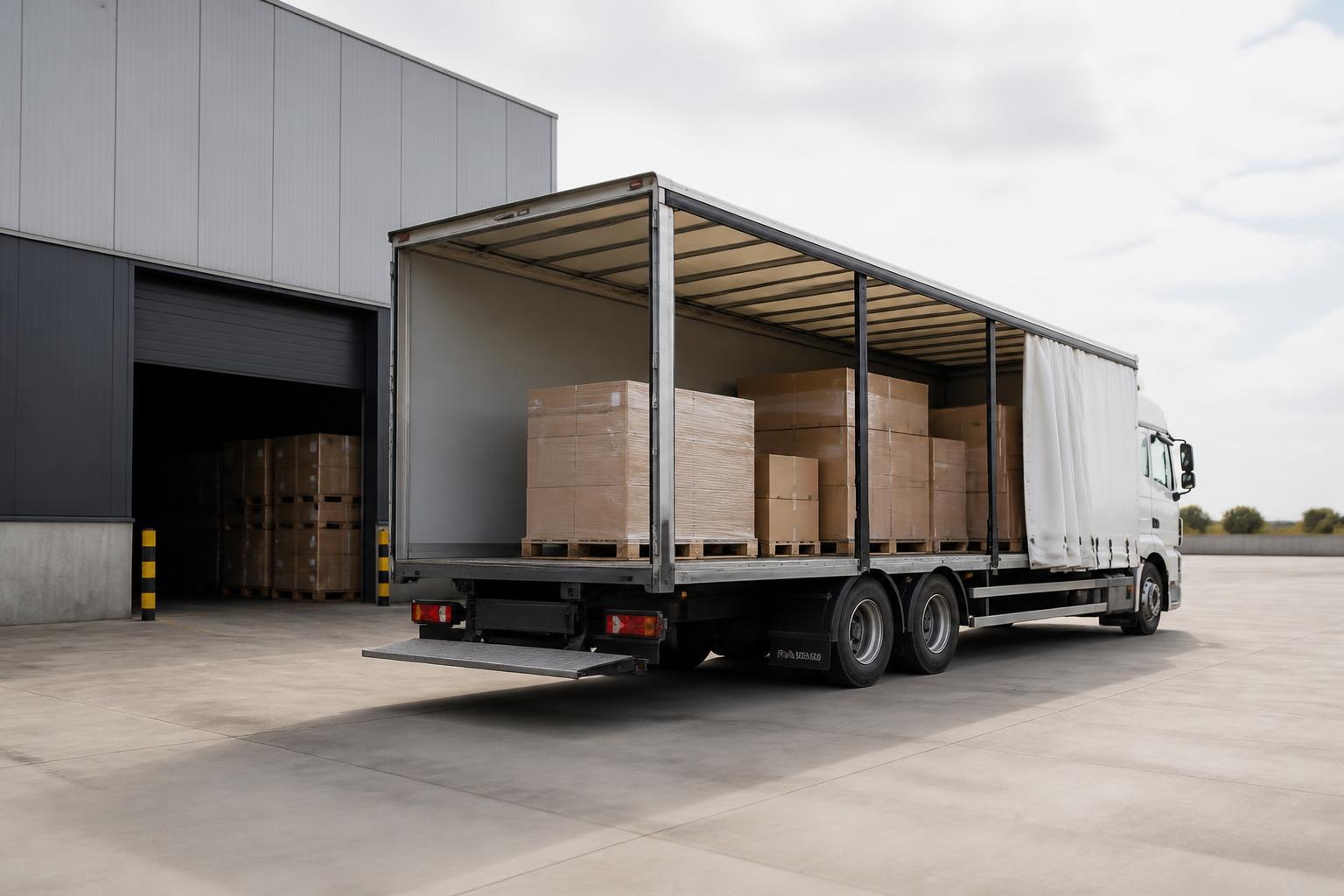
A haulage management system cuts daily transport chasing by turning a loose chain of calls, emails, rate sheets and spreadsheets into one managed workflow. Instead of every urgent movement depending on who answers the phone first, the job is captured properly, sent to suitable operators, tracked through quoting and allocation, and followed through to collection, ETA updates and POD.
That matters on both sides. For businesses buying UK haulage, it reduces the time spent finding capacity and checking progress. For hauliers, it reduces dead admin, improves the quality of subcontract opportunities and avoids wasting hours on work that was never clearly specified. When the process includes AI-assisted admin support but remains human-backed, it can speed up the repetitive parts without losing the operational judgement that real transport still needs.
What a haulage management system actually does
In practical UK haulage terms, a haulage management system is the working process that sits between a transport requirement and a completed movement. It is not just a load board, and it is not just a spreadsheet with vehicle details on it. It is the structure used to receive a job, check the information, approach suitable operators, compare responses, confirm the movement, monitor execution and close the paperwork.
At minimum, that means capturing the facts that actually affect whether a job can move. Collection and delivery points. Required date and time. Whether the load is full-load or part-load. Pallet count, weight, dimensions and any loading restrictions. Whether it is a curtain, box, flat, skeletal or other equipment requirement. Whether the movement is standard domestic haulage or container haulage linked to a port, booking slot, release reference or line procedure.
Without that structure, the same failures repeat. Jobs are quoted on incomplete information. Collection windows are misunderstood. A haulier agrees a movement before seeing the real waiting time risk. A container move is priced before anyone checks the port, VBS slot position or whether the box is import, export, empty or laden. Then the chasing starts.
A proper haulage management system is there to solve those operational problems, not to produce a prettier dashboard. For buyers, it should reduce the amount of manual follow-up needed to get a price, confirm cover and know whether the load is still on plan. For hauliers, it should stop subcontract work arriving as vague, last-minute messages with half the details missing.
In our case at Haulier.AI, the aim is simple. We organise request and quote handling so that customers needing UK haulage can reach suitable operators quickly, and hauliers looking for relevant subcontract work can assess live opportunities without being dragged into a blind auction. The system has to support commercial control as well as transport execution.
Where manual transport booking starts to break down
Phone-and-spreadsheet methods can work when volumes are steady, lanes are familiar and the same few operators are always available. They start to break down when the traffic pattern stops behaving neatly.
A common trigger is changing volume. A manufacturer might move from a predictable weekly pattern to uneven outbound demand because orders bunch at month end. A distributor might suddenly need overflow support because its core carrier has no spare capacity. On quiet days, the problem flips the other way. A haulier has vehicles to fill and wants sensible subcontract work, but the only opportunities coming in are fragmented, unclear or already over-shopped.
Urgent jobs expose the weakness fastest. If a same-day or next-day movement lands by email and then gets forwarded around manually, each step adds delay. By the time someone has checked the postcode, confirmed the weight, called three operators and gone back to the customer with questions, the collection window may already be under pressure.
Part-load work creates another strain. It looks simple on paper, but it depends on matching load characteristics, geography and timing. A spreadsheet may show spare space, but not whether the route still works once loading times, delivery restrictions and driver hours are considered. That is where manual systems start producing false availability.
Port-related work is even less forgiving. Container haulage through Felixstowe, London Gateway, Southampton, Tilbury, Liverpool, Teesport or Immingham comes with extra moving parts. Release references, cut-off times, quay restrictions, VBS bookings, demurrage or detention exposure, and the practical effect of congestion all matter. A job can look covered at 10am and become a problem by lunch if one port event shifts the whole plan.
Brexit has added further administrative pressure for some flows, particularly where goods, documents or customer expectations are shaped by cross-border processes. In the UK, the exact compliance requirements differ from EU internal movements, and that difference matters operationally. Even where the road movement itself is domestic, the surrounding paperwork, customs status or customer checks may still affect timing and handover.
Then there is the basic issue of information drift. One person has the booking reference. Another has the delivery instruction. A third has the rate. Someone else receives the POD. When details live across inboxes and mobile phones, transport desks spend the day asking the same questions twice. That is the daily chasing most teams want to cut.
The functions that matter in day-to-day UK haulage
Not every feature list is useful. In day-to-day UK haulage, the functions that matter are the ones that reduce avoidable calls and make decisions clearer.
First, request capture has to be disciplined. A system should collect the commercial and operational details needed to quote and allocate properly. That includes load type, equipment, collection and delivery constraints, whether the job is full-load or part-load, and any site-specific issues such as booking references, forklift availability or waiting time expectations. For port traffic, it also needs the details specific to container haulage.
Second, quote comparison must be usable, not theatrical. Transport teams need to see who has responded, what assumptions sit behind the rate, and whether the haulier can actually cover the movement as requested. The cheapest number is often not the best answer if it ignores waiting risk, wrong equipment, or a collection window the operator cannot realistically meet.
Third, subcontract allocation should be controlled. Once a movement is awarded, everyone involved should know it is covered, by whom, and on what basis. Double-booking, duplicate chasing and unclear confirmations are common where allocation is handled loosely. Hauliers also need confidence that if they commit capacity, the work is genuinely theirs and not still being circulated elsewhere.
Fourth, ETA visibility matters because customers do not only ask whether a job was booked. They ask where it is. A useful system gives a current operational view of whether the movement is on plan, delayed, collected, at port, or delivered. ETA does not need to pretend to be perfect to be valuable. It needs to be current enough to support decisions and updates.
Fifth, POD handling should be built in, not left to chance. Too many transport operations still finish the physical movement but then spend days chasing paperwork. If POD collection and storage are part of the process, invoice queries reduce and customer service improves. That is particularly important where delivery notes, signed paperwork or container interchange evidence affect billing and dispute resolution.
Sixth, exception management is what separates a real operating tool from a booking form. Jobs go wrong. Sites refuse early arrivals. Ports run slowly. Drivers hit traffic. Loading overruns. A system should make exceptions visible and manageable, so the desk can act on them rather than discovering the issue after the missed slot or failed delivery.
This is where organised support for container movements becomes valuable. Port work is not just another postcode pair. It needs a process that recognises the operational details that change whether the move is straightforward or troublesome.
How to assess systems for subcontracted and port work
If a large share of your transport relies on subcontractors, you need to assess more than the front-end booking screen. The key question is whether the system helps you place work with the right operator, at the right time, with the right information.
Start with operator fit. Can the system direct work to hauliers that actually run the equipment, geography and service pattern required? A general circulation model sounds broad, but in practice it can waste time if specialist jobs are sent to operators who were never suitable.
Then look at how port movements are handled. If you are moving boxes through Felixstowe or Southampton, for example, the process should account for the realities of those ports rather than treating them as ordinary collections. The same applies for London Gateway, Tilbury, Liverpool, Teesport and Immingham. We have built dedicated support around these flows, including container haulage through Felixstowe and port-linked haulage for Southampton movements, because the detail matters.
Check whether the system can cope with a mix of full-load and part-load work without forcing both into the same rigid process. Full-load jobs often need fast, clear allocation. Part-load jobs need more thought around compatibility, timing and route economics. If the workflow treats every movement as identical, one of those service types will suffer.
You should also test how exceptions are managed on port work. What happens if a slot moves, a release is delayed, or a quay issue changes the plan? Does the system simply show a delay, or does it help the desk identify which jobs now need action? In container haulage, that difference is practical, not cosmetic.
Commercial handling matters too. Some systems push everything towards lowest-price behaviour. That can be damaging where reliable operators are expected to absorb uncertainty with no control over the job terms. For subcontracted work to remain sustainable, hauliers need enough information to quote properly and enough confidence that sensible pricing will not be undercut by a last-second race.
Finally, look at the paperwork trail. For UK domestic movements, that may be straightforward. For work shaped by imports, exports, customs status or post-Brexit process changes, the handover points can be more sensitive. The system should support document clarity, not create another gap between booking and execution.
What AI-assisted and human-backed should mean in practice
AI-assisted should mean faster administration, cleaner job handling and less repetitive chasing. It should not mean pretending that transport can run itself.
In practice, AI-assisted support is useful for structuring incoming requests, identifying missing details, organising quote responses, flagging likely mismatches and keeping status updates in order. Those are all areas where transport desks lose time every day. If the system can reduce that admin burden, operators and customers get quicker answers.
But automation has limits. It cannot reliably replace operational judgement when a customer gives a vague collection instruction, when a site has a known waiting issue, when a port movement looks technically possible but commercially poor, or when a regular haulier should be prioritised because they understand the lane and customer expectation.
That is why human-backed matters. Real people still need to review the movement, sense-check the information, understand which operators are suitable and intervene when the plan changes. A transport desk that is fully automated in theory often becomes fully opaque in practice. When something awkward happens, nobody is clearly owning the decision.
Our approach at Haulier.AI is to use AI-assisted process where it genuinely helps, while keeping human-backed oversight where transport decisions need context. That means faster handling of the admin-heavy stages, without removing the role of experienced judgement in allocation, exception management and commercial communication.
This is also important for hauliers. Operators do not want to be fed unsuitable work by a machine that cannot tell the difference between a realistic movement and a badly specified one. They want relevant subcontract opportunities, with enough detail to decide properly and enough human contact to resolve issues when they arise.
How to choose a setup that fits your commercial model
The right setup depends on how you buy or supply transport, and on what you are trying to protect.
If your priority is control, look for a process that keeps job information organised, allocation clear and communications visible. You should be able to see what has been requested, who has been approached, what has been quoted and what has been confirmed, without rebuilding the story from email chains.
If your priority is response quality, focus on whether the system reaches suitable operators rather than simply reaching more operators. Broad circulation can create noise. Good matching creates coverage. That distinction matters whether you are a shipper trying to secure capacity or a haulier trying to find worthwhile subcontract work.
If operator relationships matter, and they usually do, avoid setups that reduce every movement to a pure price contest. Experienced hauliers know the value of difficult lanes, awkward sites and customer-specific service standards. A race-to-the-bottom model tends to strip out that value until service quality suffers. We prefer a structure that preserves hauliers' commercial control while still making request and quote handling efficient.
Reporting needs should also influence the decision. Some businesses mainly want fewer calls and quicker cover. Others need a clearer audit trail for finance, service review and VAT treatment. A system does not need to drown you in dashboards, but it should leave a usable record of rates, allocations, status updates and POD outcomes.
For subcontracting businesses, ask whether the setup helps on quiet days as well as busy ones. It should help you see relevant work, not just more work. For transport buyers, ask whether it can absorb urgent spikes without forcing your team back into manual chasing.
The best haulage management system is not the one with the most features on a sales page. It is the one that reduces friction in the daily job cycle, supports realistic commercial decisions and keeps enough human oversight in the process to deal with the way UK haulage actually works.
That is what we have built Haulier.AI to do. We connect businesses needing UK haulage with suitable operators, support container haulage through major UK ports, and keep the process AI-assisted and human-backed so that speed does not come at the cost of judgement. When the transport desk is organised properly, daily chasing drops because fewer things are left unclear in the first place.
Who needs a haulage management system?
Businesses booking regular or irregular UK haulage, and hauliers managing subcontract work, usually need one once calls, emails and spreadsheets start causing missed updates or slow responses.
Is a haulage management system only for large fleets?
No. Smaller operators and transport teams often benefit quickly because they have less admin capacity and feel the impact of urgent changes, quiet days and last-minute gaps more sharply.
Can it help with container haulage?
Yes, if it is built for UK haulage realities. It should handle port-related requests, timing changes, document flow and communication around movements through Felixstowe, London Gateway or Southampton.
Does AI-assisted mean transport decisions are automated?
It should not. AI-assisted tools can organise requests, quotes and updates, but operational judgement, carrier suitability and exception handling still need human-backed oversight.
What should buyers look for first?
Start with visibility and control: clear request handling, sensible quote management, ETA updates, POD capture, and a process that does not force work into a lowest-price auction.