
Container haulage article
Brexit order fulfilment without customs surprises
A practical guide to Brexit order fulfilment for UK operators: customs, VAT, lead times, returns, port planning and haulage handovers.
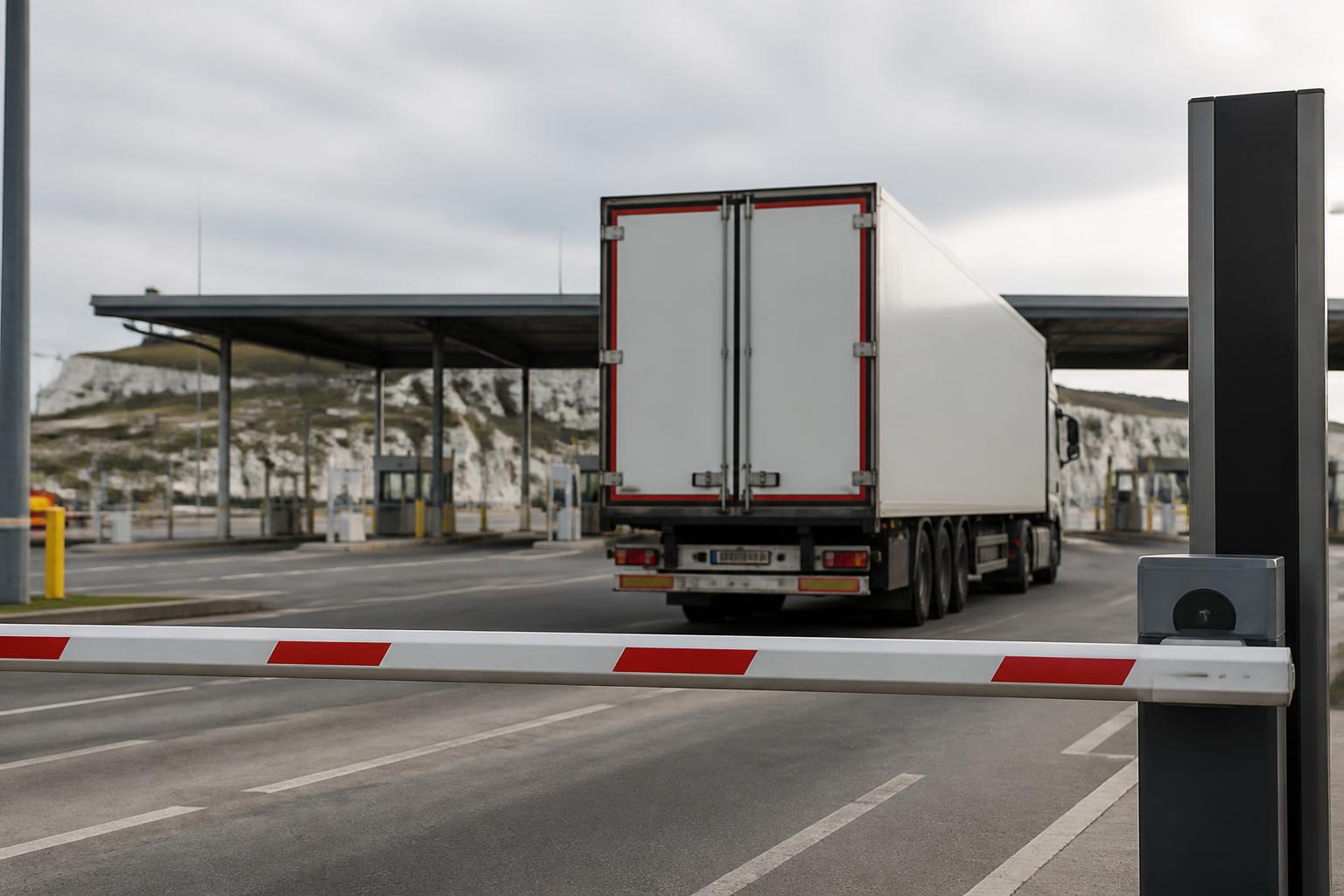
Brexit order fulfilment works when the customs entry, the commercial data, and the UK haulage plan all match before the goods leave the shelf. If they do not, problems appear quickly. Collections miss cut-off, trailers wait for clearance, containers sit at port, drivers arrive without the right references, and customers dispute charges they did not expect.
For most businesses, the issue is not one single customs rule. It is the handover between sales, warehouse, finance, customs, and transport. We see that every week. A workable Brexit order fulfillment process is less about theory and more about getting the booking data, paperwork, delivery terms, and movement plan aligned early enough to move freight without surprises.
What Brexit changed in order fulfilment
Brexit changed many UK and EU orders from domestic or intra-EU movements into import and export movements. That means customs declarations, border controls, and more shipment data are now part of routine fulfilment. Goods that used to move on a delivery note alone may now need formal entries, origin checks, and pre-lodged references before a vehicle is even worth dispatching.
That change matters whether you are moving pallets on a part-load service, booking a full-load trailer, or arranging container haulage through ports such as Felixstowe, London Gateway, Southampton, Tilbury, Liverpool, Teesport, or Immingham. The transport leg still matters, but the border process now decides whether the transport plan is realistic.
For UK imports from the EU, the UK importer has to consider who is acting as importer of record, who submits the customs declaration, what commodity code applies, what customs value is declared, what the origin is, and how import VAT will be handled. For exports from the UK to the EU, the EU import side must also be ready. A UK exporter can have its own export declaration done correctly and still face delays if the consignee, customs broker, or carrier on the EU side is not prepared.
There is also a service risk that did not exist in the same way before Brexit. Border readiness is now part of delivery performance. If a shipment misses a customs cut-off, a ferry booking, a port slot, or a warehouse receiving window because references are incomplete, the cost is not just paperwork. It can become storage, quay rent, demurrage, redelivery, wasted driver time, and unhappy customers.
Another practical change is that delivery promises need to reflect customs reality. A next day expectation on a UK to EU movement may still be possible in some lanes, but only if the data is complete, the declaration is accepted, and the receiving side is ready to clear and unload. Brexit did not make transport impossible. It made weak process much more visible.
The paperwork and data that decide whether freight moves
The shipments that move cleanly are usually the ones where the core data is agreed before the booking reaches the haulier. The minimum standard is not complicated, but it does need discipline.
Start with the commercial invoice. It must show the correct seller and buyer details, invoice date and number, full goods description, quantities, unit values, total value, currency, and the agreed Incoterms or other delivery terms where relevant. Vague descriptions such as "parts", "samples", or "accessories" create problems because customs entries need a description that matches the goods.
Commodity codes matter because duty treatment, controls, and declaration content depend on them. If the code is wrong, the duty may be wrong, the origin statement may be irrelevant, or the goods may be selected for checks the shipper did not expect. We always advise getting tariff classification settled before regular traffic starts, not while a driver is waiting in a yard.
Origin is separate from where the goods were shipped from. That distinction still catches teams out. Preference under the Trade and Cooperation Agreement depends on the originating status of the goods, not simply the fact they moved from the EU or from the UK. If a business is claiming preferential tariff treatment, the supporting statement and records must stand up. If not, duty may apply and the customer needs to know before dispatch.
Value is another common weak point. Customs value is not always identical to the sales invoice total. Freight, packing, assists, and other elements can affect the declaration depending on the movement and terms. The finance team, customs broker, and shipping team need one agreed rule for what value is passed into the customs entry.
VAT treatment must also be clear. On UK imports, import VAT needs to be accounted for correctly. Depending on the setup, the importer may use postponed import VAT accounting, or may account for VAT through another method available to them. The important point operationally is that the customs broker and importer know the intended treatment before the goods move. If they do not, entries get held while someone asks basic questions too late.
Delivery terms are just as important as customs data. If the sale is DAP, DDP, EXW, FCA, or another agreed term, everyone involved needs to know who is responsible for export clearance, import clearance, duty, VAT, and the transport legs. Many disputes that look like haulage issues are actually delivery term issues. A driver cannot solve an argument about who should pay import charges at the border.
On the transport side, the movement instruction should include collection address, delivery address, opening times, contact names, booking references, load dimensions, weight, number of pallets or packages, whether the goods are stackable, whether there are any ADR or temperature requirements, and whether the movement is part-load or full-load. For container haulage, you also need the container number, size, weight, release references, port details, and any VBS or terminal booking requirements.
When those details are aligned, freight has a fair chance of moving first time. When they are not, the haulier gets pulled into solving problems that started upstream. Our role at Haulier.AI is to make those handovers more organised through an AI-assisted, human-backed transport desk, not to pretend the paperwork can be guessed after departure.
Where order fulfilment plans usually fail
Most failures happen in the gaps between teams.
The first common breakdown is between sales and operations. Sales confirms a delivery date without confirming the customs responsibilities, the consignee's readiness, or the actual transport lead time. Operations then receives an order that is commercially agreed but not operationally buildable. The result is a rushed collection request, incomplete documents, and pressure on the haulier to "just get it moving".
The second is between warehouse and customs. The warehouse picks and wraps the order, but the customs broker does not receive final weights, package counts, or the exact goods descriptions in time. That leads to mismatches between the invoice, packing list, and declaration. Those mismatches are a classic cause of holds, inspections, and post-clearance disputes.
The third is around importer and exporter responsibilities. We regularly see orders where nobody is certain who is acting as importer of record, who is paying duty, or who is responsible for import VAT. The trailer may be booked, but the legal and financial ownership of the customs process is still unclear. That is not a transport problem, but it becomes one very quickly.
The fourth is cut-off failure. Ports, terminals, ferry operators, and warehouses all work to cut-off times. If a customs reference is not available before the cut-off, the planned departure can be lost. On container traffic, missing a port or terminal slot can push the move back and trigger extra storage or detention exposure. On groupage or part-load traffic, missing the linehaul departure can mean the freight waits for the next consolidation.
The fifth is poor exception handling. A shipment gets selected for a check, the consignee refuses delivery because charges were not agreed, or a customs entry is queried. At that point, businesses need named contacts who can decide quickly. Without that, the driver waits, the trailer is tied up, and costs accumulate while people email each other for approval.
Then there is the UK haulage handover itself. A haulier can only work with the information it receives. If the booking arrives without the right references, if the collection point is not aware, or if the container is not actually available at the port, the movement fails before it starts. We built our process around organised request and quote handling because too many transport delays begin as messy booking administration, not road issues.
How to build a workable Brexit fulfilment process
A reliable process starts before the order is released to transport.
Step one is order review. Confirm the shipper, consignee, invoice party, Incoterms, commodity codes, origin, customs value basis, and VAT treatment. If the order is DDP or any arrangement where one side is taking on more customs responsibility, check that the broker instructions match the sales agreement. If there is any uncertainty, stop there and resolve it before booking haulage.
Step two is document preparation. Produce the commercial invoice and packing list with final data, not draft assumptions. Make sure package counts, weights, and descriptions match what will actually be loaded. For regular lanes, use a standard data template so sales, warehouse, customs, and transport all work from the same fields.
Step three is customs instruction. Send the broker everything needed for export and import formalities in time for pre-lodgement where required. That normally includes invoice, packing list, EORI details, commodity codes, origin information, values, and movement details. If your process relies on customer-provided import clearance, get positive confirmation that it is arranged. "They usually sort it" is not a process.
Step four is transport booking. At this point, book the movement with complete operational details. State whether it is part-load or full-load, whether it is palletised or loose loaded, whether tail-lift or timed delivery is needed, and whether there are site restrictions. For port work, specify the port, container details, release references, and collection windows. If you are moving through major terminals, our container haulage through UK ports process is built around those exact handovers.
Step five is pre-dispatch check. Before the vehicle is committed, confirm that customs references are available or on schedule, the goods are packed and labelled, the collection site is ready, and the delivery side is expecting the shipment. This is the point where a ten minute check often prevents a one day delay.
Step six is dispatch and live control. Once the vehicle is moving, track milestone events, collection completed, border stage reached where relevant, port or terminal activity if applicable, delivery attempted, delivery completed, and POD returned. Do not wait for the customer to ask where the load is. A useful ETA depends on real movement data and active follow-up, not guesswork.
Step seven is exception management. If there is a hold, rejection, missed slot, or customs query, one person should own the case until it is resolved. They need authority to contact the broker, warehouse, consignee, and haulier quickly. We see the best results where businesses treat exceptions as an operational workflow, not as a chain of forwarded emails.
Step eight is post-movement review. Check the final POD, any waiting time, any customs issue, and any charge that needs to be approved or challenged. If a lane repeats, record what went wrong and update the booking checklist. Good Brexit order fulfillment gets better through repetition only if the lessons are written into the process.
For businesses moving regular import traffic, it also helps to align transport planning with likely port and inland delivery flows. If cargo is arriving in boxes, our teams regularly support bookings linked to port collections at Felixstowe and other major UK gateways, where timing, release status, and inland planning need to line up tightly.
How transport planning affects delivery performance
After Brexit, transport planning and customs planning cannot be separated. The route may be physically possible, but still operationally poor if it does not fit the paperwork timeline.
Port selection matters. Different ports suit different cargo flows, inland destinations, and carrier patterns. A container arriving at Felixstowe may be right for one consignee network, while London Gateway, Southampton, Tilbury, Liverpool, Teesport, or Immingham may work better for another. The best choice is not just the sea leg. It is the full path from discharge to final delivery, including release process, terminal access, inland mileage, and available UK haulage capacity.
Cut-off times matter just as much. Every missed cut-off narrows the options. If a warehouse loads late, if customs references are delayed, or if the booking reaches transport too close to departure, the "fast" route on paper can become the slow route in practice. We would rather reset a plan early than send a driver into a movement that has already missed its workable window.
Trailer type and load format also affect reliability. A full-load gives more control over departure and delivery timing. A part-load can be cost effective, but it depends more heavily on consolidation schedules and hub timings. Curtain siders, box trailers, skeletal trailers, and temperature-controlled equipment all have different booking realities. For container haulage, the equipment and driver plan must suit the box type, weight, and terminal rules.
For imports arriving in containers, free time and inland capacity need active management. If the container is available but the consignee cannot receive, storage and detention risks rise quickly. If the release is not in place, the haulier may arrive at the port and still be unable to collect. This is why transport desks need both organised admin and human follow-up. Automation helps, but someone still needs to check whether the box is actually collectable.
POD and ETA handling are often underestimated. Customers want certainty, not silence. A realistic ETA based on actual movement stages helps receiving sites plan labour and unloading. Fast POD return closes the job, supports invoicing, and resolves disputes early. Where there is an issue, a clear record of arrival, waiting, delivery attempt, and sign-off matters.
Finally, reliability after Brexit depends on using carriers in a way that respects commercial reality. Hauliers need enough information, enough notice where possible, and clear instructions. Businesses need visibility and response when plans change. Our AI-assisted, human-backed model is built for that middle ground. We organise requests and quotes, keep human oversight on the detail, and help connect shippers with suitable operators for UK haulage without turning every job into a race to the bottom.
Brexit did not remove the basics of good transport. It raised the cost of getting them wrong. When customs data, delivery terms, and haulage planning are aligned before dispatch, cross-border orders become manageable again. When they are not, the border simply exposes the weakness.
Does Brexit affect every UK order fulfilment movement?
No. Domestic UK orders do not face the same border process. The main change is on UK-EU movements, where customs, declarations, VAT treatment and border readiness can affect release and delivery.
Is Brexit order fulfilment mainly a customs problem?
Not only. Customs is central, but failures often start earlier with poor order data, unclear Incoterms, wrong collection timing, missing references or weak handover between warehouse and UK haulage.
What information should be checked before booking transport?
Check collection and delivery details, goods description, weights, pallet or carton counts, values, commodity codes, origin, Incoterms, VAT treatment, customs status and any port or warehouse cut-off times.
Why do some shipments miss delivery even after collection?
Because collection is only one stage. Delays can follow from customs holds, missing references, incorrect data, port congestion, failed delivery booking slots or no clear owner for exceptions.
Can Haulier.AI help with Brexit-related transport coordination?
Haulier.AI helps organise UK haulage requests and quote handling with AI-assisted, human-backed coordination. It supports transport planning and operator matching, while commercial and operational judgement stays with people.